Polycystic ovarian syndrome (PCOS) is the most common endocrine abnormality, affecting 6-8% of the female population. There can be a cascade of hormonal imbalances causing irregular menstruation,

Polycystic ovarian syndrome (PCOS) is the most common endocrine abnormality, affecting 6-8% of the female population. There can be a cascade of hormonal imbalances causing irregular menstruation,
The reasons for choosing In Vitro Fertilization (IVF) or Intrauterine Insemination (IUI) are as diverse and numerous as are the patients themselves, but what people do have in common is a deep rooted desire to love and start a family.
Approximately 40% of couples who are having trouble conceiving will experience male factor infertility, creating a significant area of interest which is often overlooked by both couples and specialists.

Endometriosis is a hormonal and immune system disease in which cells similar to the endometrium or uterine lining, grow outside the uterine cavity, often on the peritoneum or surrounding abdominal organs.
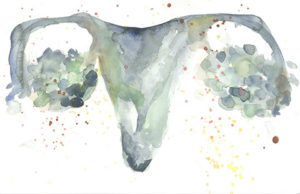
A syndrome is defined as a group of symptoms that consistently occur together, and with PCOS (polycystic ovarian syndrome) the common symptoms women experience are related to hormonal imbalances,
While diminished ovarian reserve (DOR) is more common in women as they get older, it can be an issue for younger women as well. The reasons for DOR are numerous,
The term ‘advanced maternal age’ (AMA) is misleading, as women of ‘advanced age’ are in reality quite young, usually in their late 30s or 40s.
From a person’s perspective, ‘unexplained infertility’ is a frustrating assessment. After testing, time and examination by specialists it has been determined that there is no physiological reason pregnancy is not taking place.
In the modern context of reproductive medicine and fertility, Acupuncture and Chinese medicine are finding their place and becoming an integral aspect of men’s and women’s reproductive health.
Many women experience painful periods, or dysmenorrhea. This pain can be debilitating while interrupting work, family and social life, as well as increasing our reliance on conventional pain killers such as Advil and Motrin.